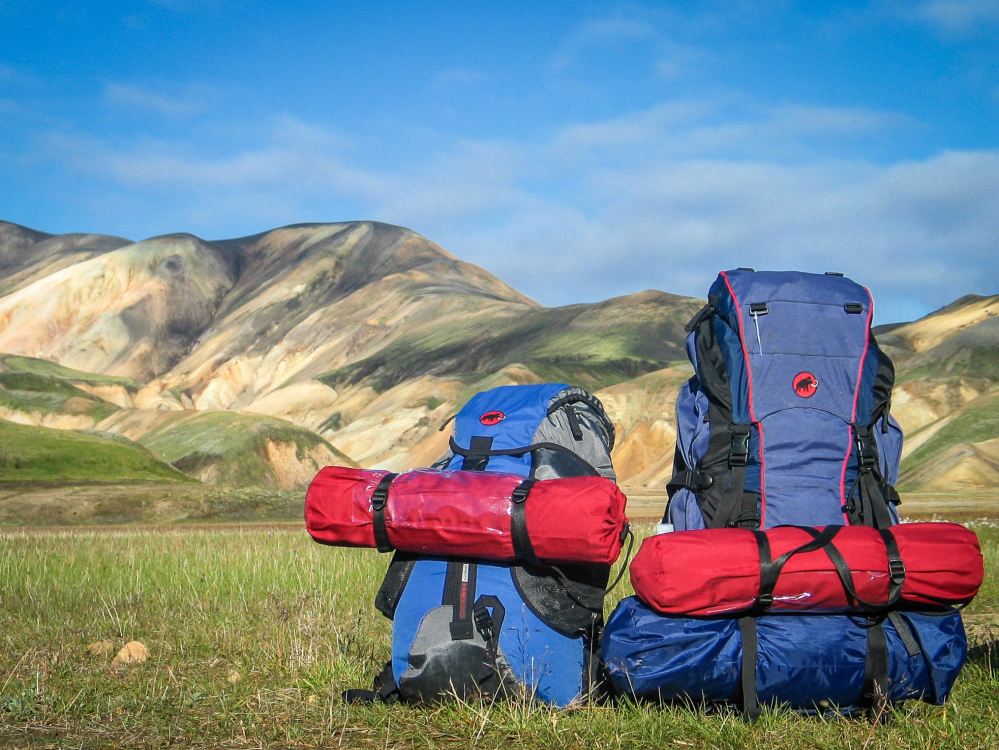
Before any adventure can begin, you need to pack your stuff, and to do that, you need gear. But where do you get it, what do you even need? This is how I go about getting my stuff.
What do you already have?
The first thing I always do before I even look at what I could buy is look at what I already own.
I take into consideration its age, what shape’ sit’s in, and if it could be repaired if needed, I also look at how I’ve found travelling with it before. If it was relatively easy, I’ll be more likely to continue to use it.
At the moment, I already have a good backpack, rain cover and travel bag that it will go into, as well as a travel pillow, travel blanket, travel towel and water bottles that work great.
What do you need?
One thing that I hate is when my devices die. My devices like my phone often hold my tickets, reservations and directions to where I need to go. So, one thing I’m looking into getting, and have been for a while, is a new portable charger.
There are so many options and companies to look at. I’ve been looking for about a year.
Right now, I’m looking into a solar-powered one, but I’m still weighing the options and making do with the ones I already have.
What can you go without?
I’m pretty sure I’ve said this before, but I really don’t like packing cubes.
They don’t help my packing, and I find they make my life more difficult, so I don’t use them. I also don’t bring bags to put dirty laundry in to then put in my pocket, I simply organize my pack or do my laundry, though I do still have a bag for if something is wet because it’s a little gross.
To give some insight, what most people need to travel are the following;
Bag (both packs and daypacks), Clothing (Shirts, Pants, Outerwear, swimwear, etc.), towels, camera gear, a few types of shoes and toiletries.
Where I shop
MEC
Mountain Equipment Co-Op is probably one of the best-known brands in backpacking gear. They have everything you can think of, and stuff you might not even know exists.
I would highly recommend going in to look at the gear, especially the backpacks, since the sizes written online don’t fully illustrate the size of the items, at least to me. At the store, you can try on the packs, see the size and find out about how it opens and what it can hold.
SAIL
Another big name in hiking and outdoor gear is SAIL.
While I don’t visit as often as there are no stores in my general area, I still check their site frequently.
One reason I always check Sail is that they don’t only do hiking and outdoor gear. They also provide equipment for fishing and hunting, which I don’t participate in, but since both people who do spend quite a bit of time outside usually, the gear well made, warm and durable.
Sports Expert
This one is a little bit regional, I think, but I still really like the way Sports Expert is laid out in store.
While they do mostly focus on sports like hockey, they have a great hiking and camping section, which means they have backpacking gear too.
Amazon
I know it’s not great. But often they have what I’m looking for at a lower price, and I can compare different items
I usually start on Amazon, build a list and then start looking for what I have locally. If I can’t find it after looking at all my other usual spots and by searching on the brand site, I’ll decide if I need it enough to order it from Amazon.
As I’ve said many times, I use what I have first, then I look at buying new items, used where I can, though most of the time, the items aren’t available.
So, I’ll go over what I pack quickly;
Clothing
What I pack may shock some people.
Six shirts, mostly short-sleeved, basic Tees that have nothing on them. Three pairs of jeans, if I can manage that many, one pair of leggings, a pair of jogging pants, which I sleep in (and I use one of the tees as a top), one pair of ‘fancy’ or work pants, and two pairs of shorts, usually one knee length and the other shorter.
I also pack one to two swimsuits, depending on the trip. One of which would be a one-piece when I can find one that fits, as I wear that on SCUBA dives since I find them more comfortable than two pieces.
I always take a few different types of shoes with me, namely flip flops (or thongs, jandals, or whatever other name is used) for use at the beach or in the shower, along with the hostel or hotel rooms.
I also bring comfortable walking/running shoes and depending on the trip, I’ll also bring hiking boots (steel-toed are my go-to) and heels because sometimes I’m fancy.
As for the rest of my gear, I’ve got it pretty well figured out. I bring only towels that dry quickly, are anti-bacterial and lightweight. My current towel is by Evolve, which I reviewed a while back.
My camera gear is usually my Canon Rebel T6i, My GoPro and the gear that goes with them, including an extra lens, different attachments for them.
Toiletries are also minimal; I bring a small collapsible toothbrush, a small container of toothpaste or tooth tablets like those at lush. I also bring hand lotion, face cream, floss, perfume and a bit of makeup, usually solids so that I can bring them onto flights with me.
Depending on the trip, I also tend to bring my computer with me. I currently have a Surface Pro 3, and I love it. It makes writing and saving photos much easier than using a smaller device like a phone.
If you’re someone who likes a lot of options for clothing or if you need to carry more gear, like medical equipment, for example, you’ll likely need a larger bag.
I have two currently, one school bag style backpack that most of you probably have yourselves, and my other bag is a Black Diamond Onyx 65 Backpack. I’ve had it since 2013, and it’s been with me on just about every trip, from Europe to Australia. I also have a bag for it, one that goes over it to protect the straps. If you’re getting a big bag that gets checked, I recommend looking into one of these as many airlines want to make sure nothing gets caught and may need to be cut loose, damaging the bag and the equipment at the airport.
Other things to look for in a bag or additional equipment to buy include a rain cover that goes around the bag, good quality locks, RFID wallets or credit card covers to protect your cards and reusable bottles for water.
 Autumn Afar